

Polki vs. Diamond Jewellery: The Real Difference, and Which One Fits Your Occasion?
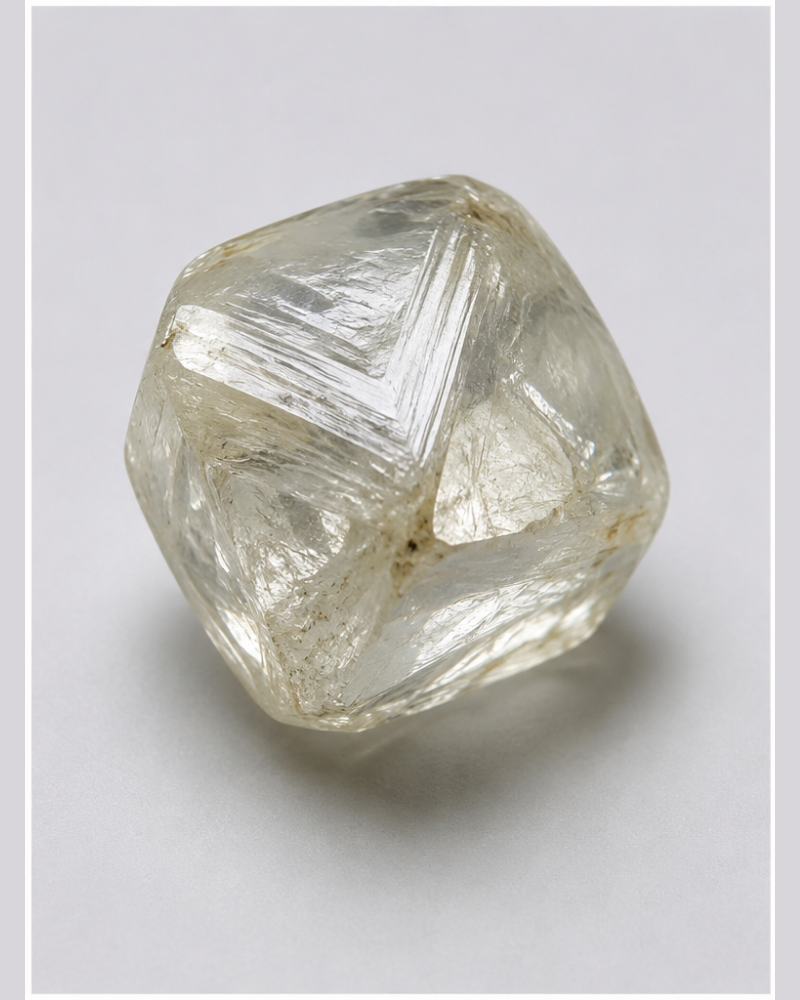
Polki is an uncut, natural diamond set by hand in gold jewellery; diamond jewellery uses cut and faceted diamonds polished to maximise brilliance. Both are genuine diamonds – the real difference lies in the cut and the reflection. If you’ve been told polki is “fake” or “not a real diamond,” that’s one of the most common misconceptions in Indian jewellery buying, and it’s worth clearing up before you purchase.
1. What Is Polki Jewellery? (And Why It's Not "Fake Diamond")
Polki is a diamond in its raw form-mined, cleaned, and slightly shaped, but never faceted or polished like a modern diamond. It’s not a different gem or a lab-created material; it’s a real diamond that has been left close to its natural state, which is what gives it that soft, old-world glow rather than a sharp, mirror-like sparkle.
◉ How Polki Is Made - Uncut, Natural Diamonds Set in Gold Foil
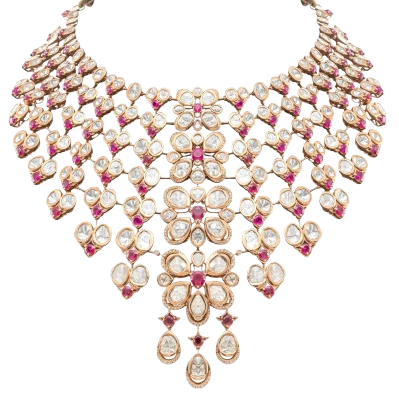
Polki stones are natural diamonds sourced as rough and set using a technique in which a thin gold (or sometimes silver) foil is placed behind each stone before it is mounted. The foil backing serves two purposes: it secures the stone in place and bounces light back through the diamond to enhance its natural sparkle. The stones are normally set by hand in high-karat gold- usually 22K- in a painstaking technique called Jadau, where each diamond is pressed into a soft gold base, rather than being held by prongs or claws. The time taken to craft a single handmade polki piece can vary from a few days to many months depending on the intricacy of the design.
◉ Polki vs. Kundan: A Distinction People Often Confuse?
This is the mix-up that trips up most buyers. Polki and Kundan are not interchangeable terms, even though pieces using both often look similar at first glance:
Polki: real, uncut, natural diamonds
Kundan: glass or crystal stones set using the same gold-foil technique
Jadau: the hand-setting technique used to create both – so a “Polki Jadau necklace” simply means real uncut diamonds set using the Jadau method
Kundan pieces are more affordable and accessible, and they carry the same royal, traditional look – but because they use glass rather than diamond, they don’t hold the same investment or resale value that polki does.
◉ Why Polki Looks Different From Cut Diamonds Under Light
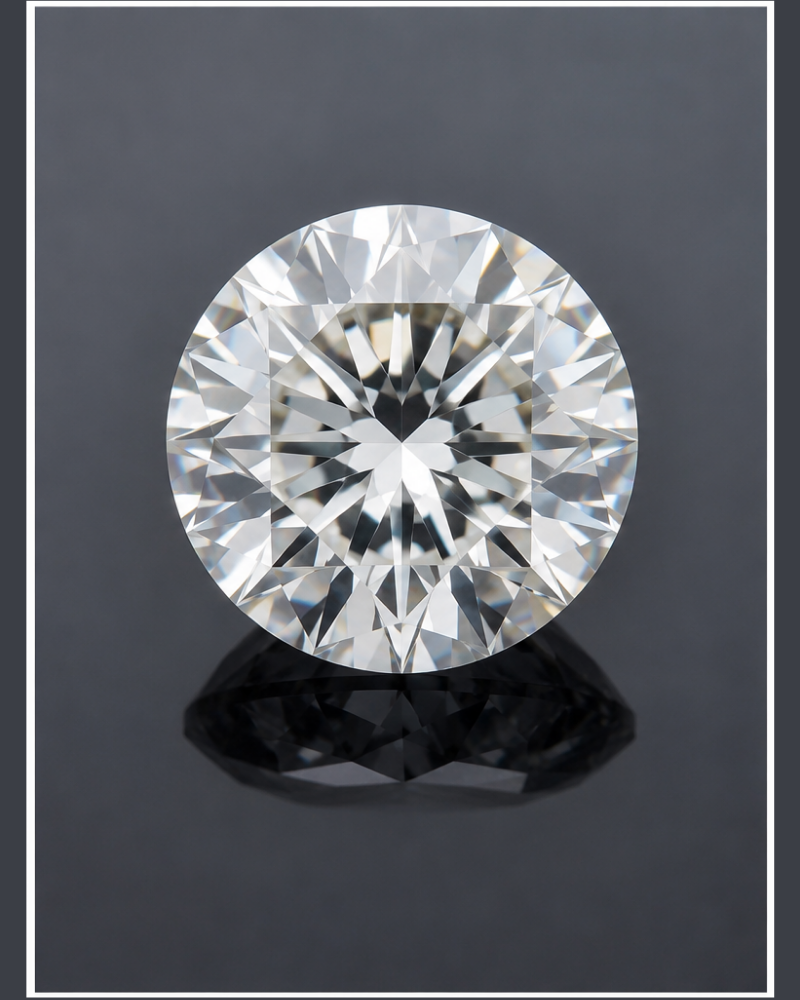
A faceted diamond is cut into precise geometric planes to bend and scatter light. This is what creates that bright , sparkly ” fire “. Polki, left uncut, doesn’t have those facets – so instead of a sharp sparkle, it gives off a soft, milky luminescence, often described as glowing rather than flashing. Neither is “better” in an objective sense; they’re simply two different visual effects, and which one appeals to you is largely personal taste.
2. What Is Diamond Jewellery? Understanding Cut, Clarity, and Certification
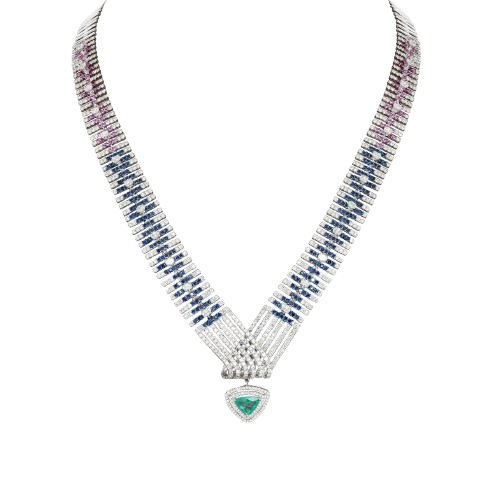
Diamond jewellery means stones that have been cut and polished into precise facets – round brilliant, princess, oval, cushion and so on – designed specifically to maximise light return and sparkle. And this is the diamond that most people default to imagining: bright, faceted, and graded against a standardised set of quality benchmarks.Lorem ipsum dolor sit amet, consectetur adipiscing elit. Ut elit tellus, luctus nec ullamcorper mattis, pulvinar dapibus leo.
◉ The 4Cs Explained Simply - Cut, Colour, Clarity, Carat
Every certified diamond is graded on four factors:
Cut– how well the diamond’s facets are proportioned to reflect light; this has the biggest impact on how much a diamond actually sparkles
Colour – graded on a scale from colourless to light yellow; the more colourless, the higher the grade
Clarity – the presence (or absence) of internal inclusions or surface blemishes
Carat – the diamond’s weight, not its size, though the two are closely related
Cut typically has the largest visible impact on brilliance, so it’s worth prioritising over squeezing out the last grade of colour or clarity if you’re working within a budget.
◉ Certified vs Uncertified Diamonds: What to Check Before Buying
A diamond certificate from an independent grading lab like GIA or IGI provides an objective verification of the 4Cs, instead of the seller’s word. Gold purity and diamond quality are verified using two different systems in India. BIS hallmarking certifies gold purity and is mandatory for gold jewellery sold in India. Diamond certification from labs like IGI is not legally mandatory, but is highly recommended, especially for higher-value purchases. Look for a BIS hallmark (with a verifiable 6-character HUID code you can check on the BIS Care app) on the gold, and an IGI or GIA report number on the diamond itself. This applies to polki and Jadau pieces too – IGI now certifies traditional Jadau and polki jewellery, which is worth asking for on higher-value pieces.
◉ Natural vs Lab-Grown Diamonds in 2026: Does It Matter for Jewellery?
Lab-grown diamonds are chemically, physically and optically identical to natural diamonds: same hardness, same brilliance, same certification standards from GIA and IGI. The difference is in origin and price: lab-grown diamonds are typically 60-85% cheaper than natural diamonds of similar size and quality in 2026, which is why they have become popular for bigger centre stones and for everyday diamond jewellery. The trade-off is resale value -natural diamonds generally hold a meaningfully higher resale percentage than lab-grown stones, which currently have little to no secondary market. For heirloom or investment-focused purchases, natural remains the stronger choice; for daily-wear pieces bought purely to enjoy, lab-grown offers a lot more diamond for the money.
3. Polki vs Diamond - Key Differences at a Glance
| POLKI | DIAMOND | |
|---|---|---|
|
Diamond Type |
Natural, uncut, unfaceted |
Natural or lab-grown, cut and polished |
|
Look |
Soft, Rusatic Glow |
Bright, faceted sparkle |
|
Setting |
Gold foil, jadau(hand-set) |
Prong, bezel, or pave(machine and hand-finished) |
|
Typical metal |
22k gold |
14k-18k gold, platinum |
|
Certification |
IGI (for higher-value pieces) |
GIA / IGI (4Cs report) |
|
Best suitable for |
Traditional wear, heirlooms |
Daily wear, modern setting |
|
Resale value |
Strong for well-made, certified pieces |
Strong for natural; limited for lab grown |
◉ Appearance and Sparkle: Rustic Glow vs. Brilliant Fire
This is the single biggest visual difference and usually the deciding factor for most buyers. Polki’s uncut surface diffuses light into a gentle, warm glow – it photographs beautifully under warm indoor and golden-hour lighting, which is part of why it remains a favourite for wedding functions. Cut diamonds are engineered for maximum brilliance and throw sharp, bright flashes of light, which is what makes them stand out in daylight and under bright indoor lighting.
◉ Price Comparison: Why Polki Can Cost More Than You Expect
Polki pricing depends heavily on the size and clarity of the uncut stones used and the complexity of the handwork – a heavily worked Jadau piece with large, clean polki stones can cost significantly more than a comparable diamond piece, purely because of the labour involved. On the other hand, smaller or simpler polki pieces can be more accessible than an equivalent certified diamond piece, since cut diamonds carry additional cost for the cutting and polishing process itself. There’s no single rule here – always compare gram weight, stone size, and craftsmanship rather than assuming one is automatically more expensive than the other.
◉ Durability and Everyday Wear: Which Holds Up Better
Polki, set in soft high-karat gold using the Jadau technique, is more delicate and better suited to occasional wear rather than daily use- the gold foil backing and hand-set stones can loosen with frequent handling, moisture or friction. Diamond jewellery, especially when set in 18K gold or platinum with secure prong or bezel settings, is built to withstand daily wear, making it the more practical choice for pieces you plan to wear often, like a diamond ring or pendant.
4. Which Suits Which Occasion?
◉ Weddings and Bridal Functions: Why Polki Is the Traditional Choice
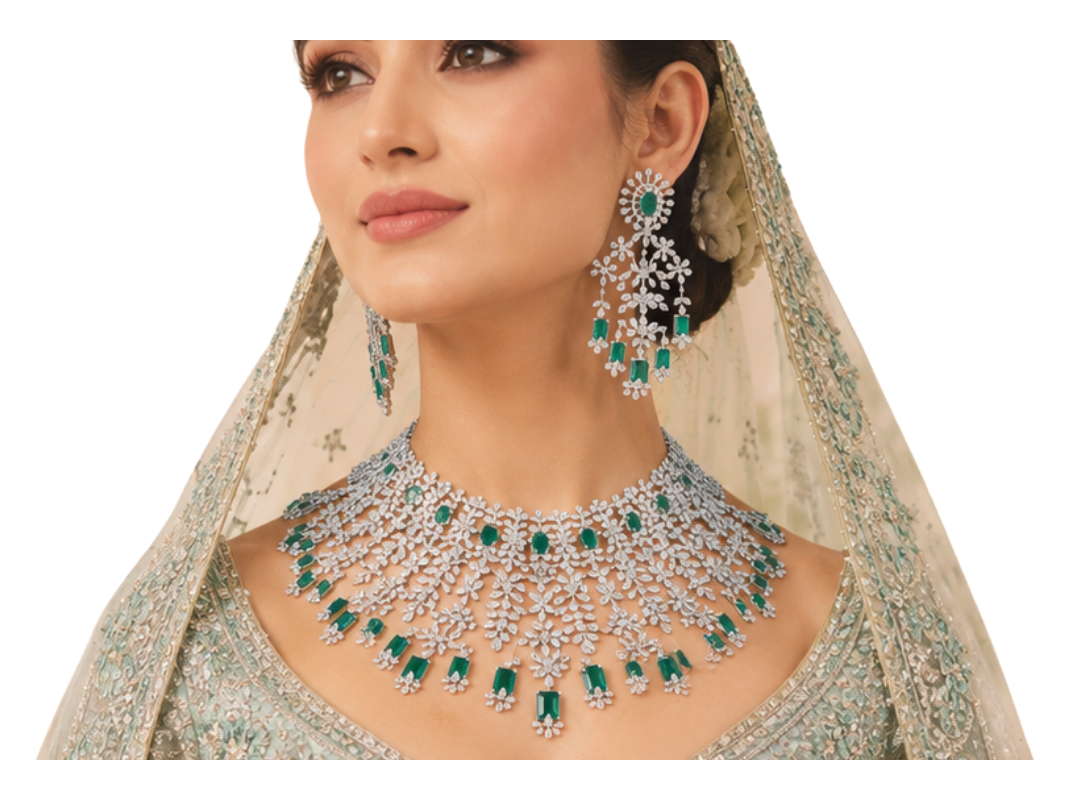
Polki remains the go-to choice for Indian bridal wear- sangeet, mehendi, and the wedding day itself – because its warm, regal glow pairs naturally with heavy silk and brocade fabrics, and it photographs beautifully under both daylight and the warm lighting typical of wedding venues. Heavy, polki necklace sets, chokers, and matching jhumkas are a staple of Rajasthani and North Indian bridal jewellery for exactly this reason.
◉ Engagements, Anniversaries, and Daily Wear: Why Diamond Wins Here
For an engagement ring, anniversary gift, or any piece meant to be worn regularly, cut diamonds are the more practical and popular choice. Their brilliance holds up under everyday lighting, they’re easier to maintain, and the setting styles used for diamond jewellery (prong, bezel, pave) are specifically designed for security during daily wear – which matters far more for a ring worn every day than for an occasion piece worn a handful of times a year.
◉ Mixing Both: How Modern Brides Are Wearing Polki and Diamond Together
A growing number of brides are moving away from choosing one over the other entirely. It’s now common to see a polki choker or necklace paired with diamond earrings, or a diamond engagement ring worn alongside heavy polki bridal sets for the wedding functions. This mix lets you keep the traditional bridal look for ceremonial wear while having a diamond piece that transitions comfortably into daily life after the wedding.
5. How to Choose Between Polki and Diamond Jewellery
◉ Questions to ask yourself before you buy
- Is this for a special occasion, or will I wear it often?
- Do I prefer a soft, traditional glow or a bright, modern sparkle?
- Am I buying this as an heirloom/investment, or purely to enjoy?
- What’s my budget, and am I open to lab-grown diamonds to get more size or clarity for the price?
◉ Budget Guide: What You Get at Different Price Points.
At lower budgets, simpler polki pieces with smaller stones or lightweight diamond pieces with lower carat weights are both accessible entry points. At mid-range budgets, you can access well-crafted polki sets with better stone clarity, or natural diamonds with solid cut and clarity grades in smaller carat sizes- or step up significantly in size with lab-grown diamonds at the same price point. At higher budgets, large, high-clarity uncut polki stones with intricate Jadau work, or natural diamonds with excellent cut and top colour/clarity grades, both represent serious investment pieces; this is where certification (IGI for polki, GIA/IGI for diamonds) matters most.
◉ How to Care for Polki vs Diamond Jewellery Long-Term
Polki jewellery should be cleaned gently with a soft, dry cloth – avoid water, harsh chemicals, and ultrasonic cleaners, since the gold foil backing and lac (resin) base used in Jadau settings can be damaged by moisture. Store pieces separately, wrapped in a soft cloth, to prevent scratching. Diamond jewellery is more forgiving- a soft brush with mild soap and water works for routine cleaning, but should still be checked periodically by a jeweller to ensure prongs or settings haven’t loosened, particularly for pieces worn daily.
6. Frequently Asked Questions
◉ Is Polki a real diamond?
Yes, Polki is a real natural diamond in its uncut, unpolished form. It is not glass, and it is not a diamond imitation – that is a description for Kundan, a different style that uses glass or crystal stones.
◉ Which Is More Expensive, Polki or Diamond?
It depends on the piece. A diamond’s price is determined by the 4Cs and whether it is lab-grown or natural, while a polki’s price is determined by the size of the stone, its clarity and the intricacy of the Jadau handmade work. A heavily worked polki set with large, clean stones can be more expensive than a comparable diamond piece, while a simple polki piece can be more affordable than an equivalent natural diamond piece.
◉ Can Polki Jewellery Be Passed Down Like Diamond Heirlooms?
Yes – polki is traditionally treated as an heirloom category of jewellery in Indian families, often passed down across generations. Because polki stones are uncut and can’t be re-faceted or repurposed the way cut diamonds can, it’s worth choosing well-certified, well-crafted pieces from the start if you intend for them to be family heirlooms.